
Professional event review, without self-monitoring.
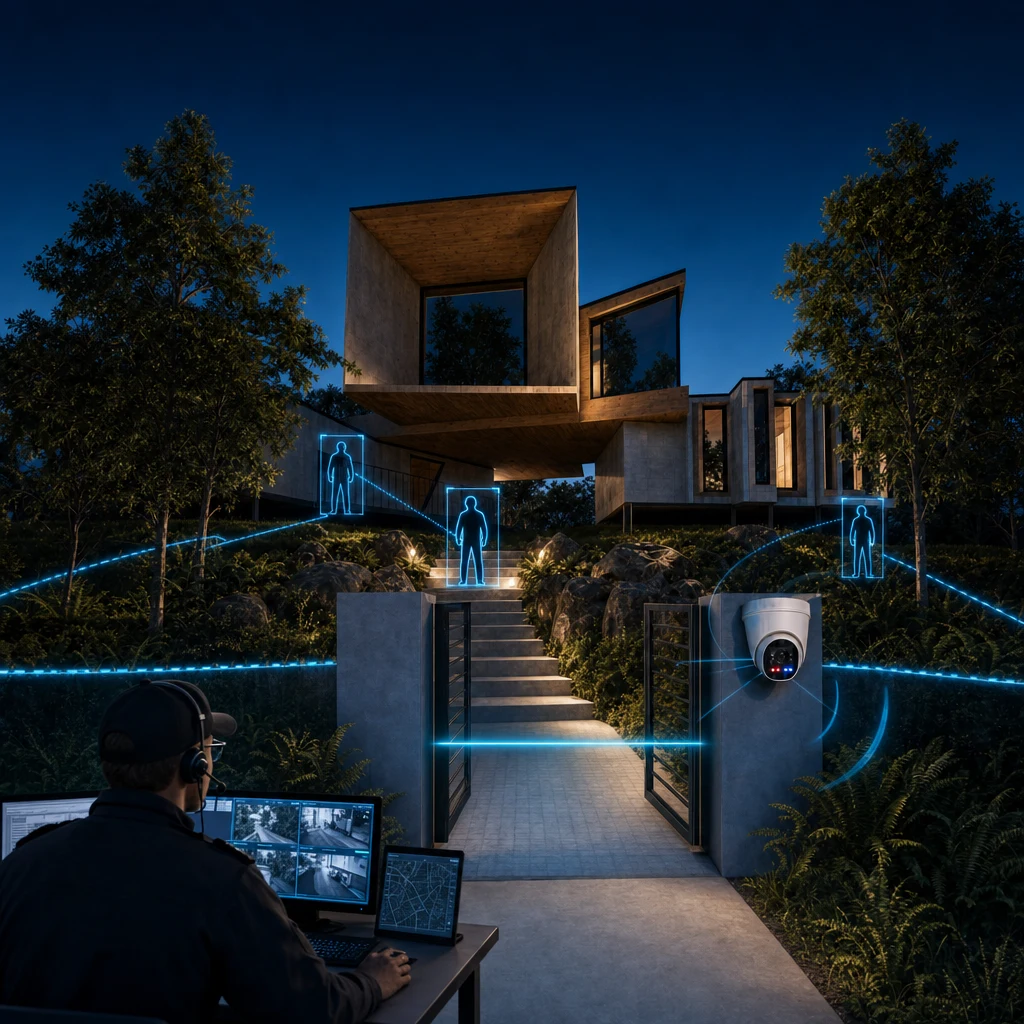
While your system is armed, a person crossing a configured line may create an event for professional review. Monitoring specialists assess the footage sent to them and follow a consistent escalation process, so reviewing and responding does not have to fall on you.
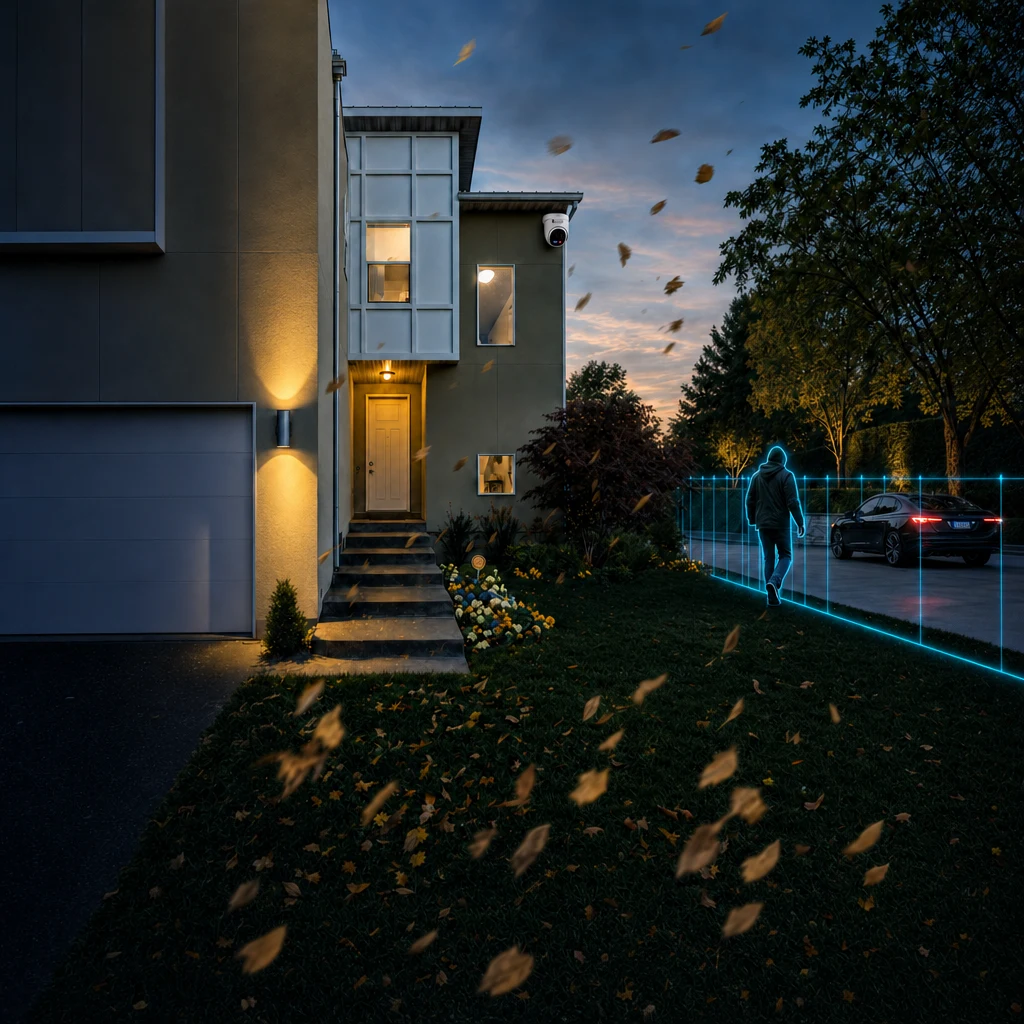
The trouble with self-monitoring
Camera notifications can be useful, but self-monitoring relies on you to see the alert, assess the footage and decide whether to act. That responsibility can be inconvenient during work, travel or time with family. Windsor connects events to professional review without requiring you to assess every notification.
Two layers, in order
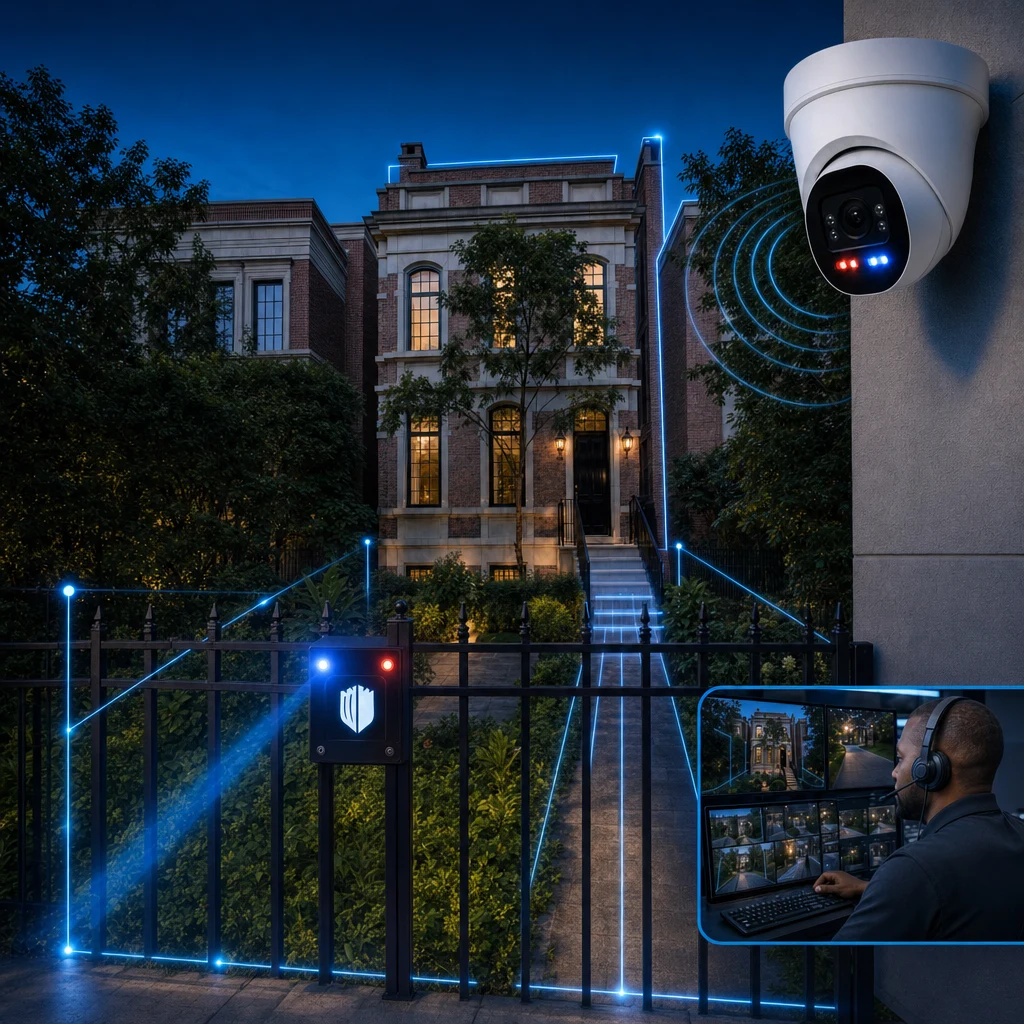
AI-assisted analysis is designed to help distinguish people from ordinary motion such as weather, animals and vehicles. When an event is sent for review, specialists see camera footage and assess what is visible. They do not know the homeowner, recognize familiar visitors or know who is expected.
- AI helps separate people from animals, vehicles and weather
- Trained professionals review the events that remain
- A cautious, largely standard service process guides escalation
What professionals do with an event
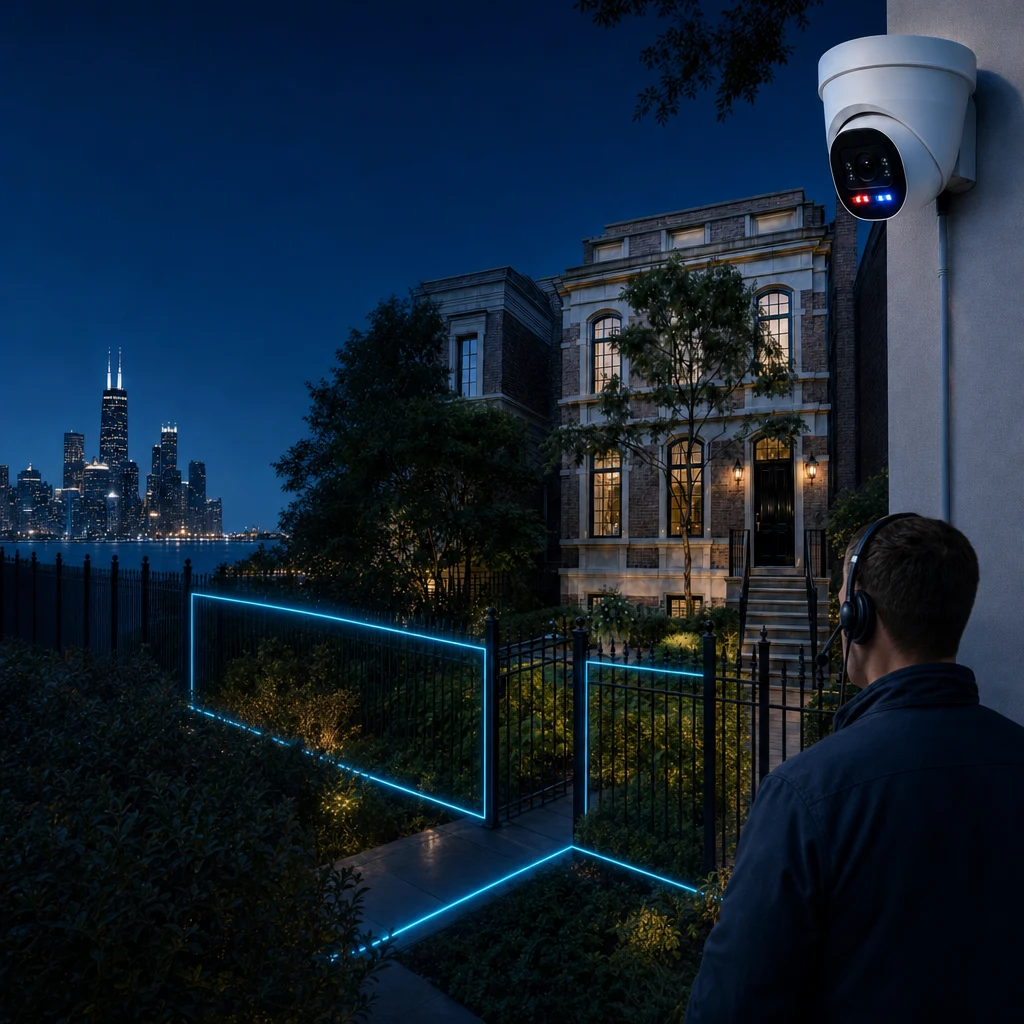
Specialists assess visible actions rather than guessing identities or intentions. Depending on the footage and service process, they may use on-site audio, notify the homeowner, contact listed emergency contacts or dispatch police when appropriate. An event does not automatically lead to any emergency escalation.
A delivery person may cross a configured line and generate an event while the system is armed. If the footage shows a package being delivered and the person leaving, that does not automatically require police or emergency-contact calls. This is an assessment of the footage, not prior familiarity with the visitor.
Want this designed around your property?
Consistent monitoring, with your contact details in place
Windsor records relevant contact and notification details so the service can act on your behalf. Monitoring itself follows a cautious, largely standard escalation process. Property-specific design does not mean operators make unusually personalized judgments or recognize who belongs at your home.
What you stop doing
You can arm and disarm the system through the app and view your cameras yourself. Monitoring means you do not have to be the person assessing every event, whether you are home, working, traveling or managing more than one property.
What monitoring does not mean
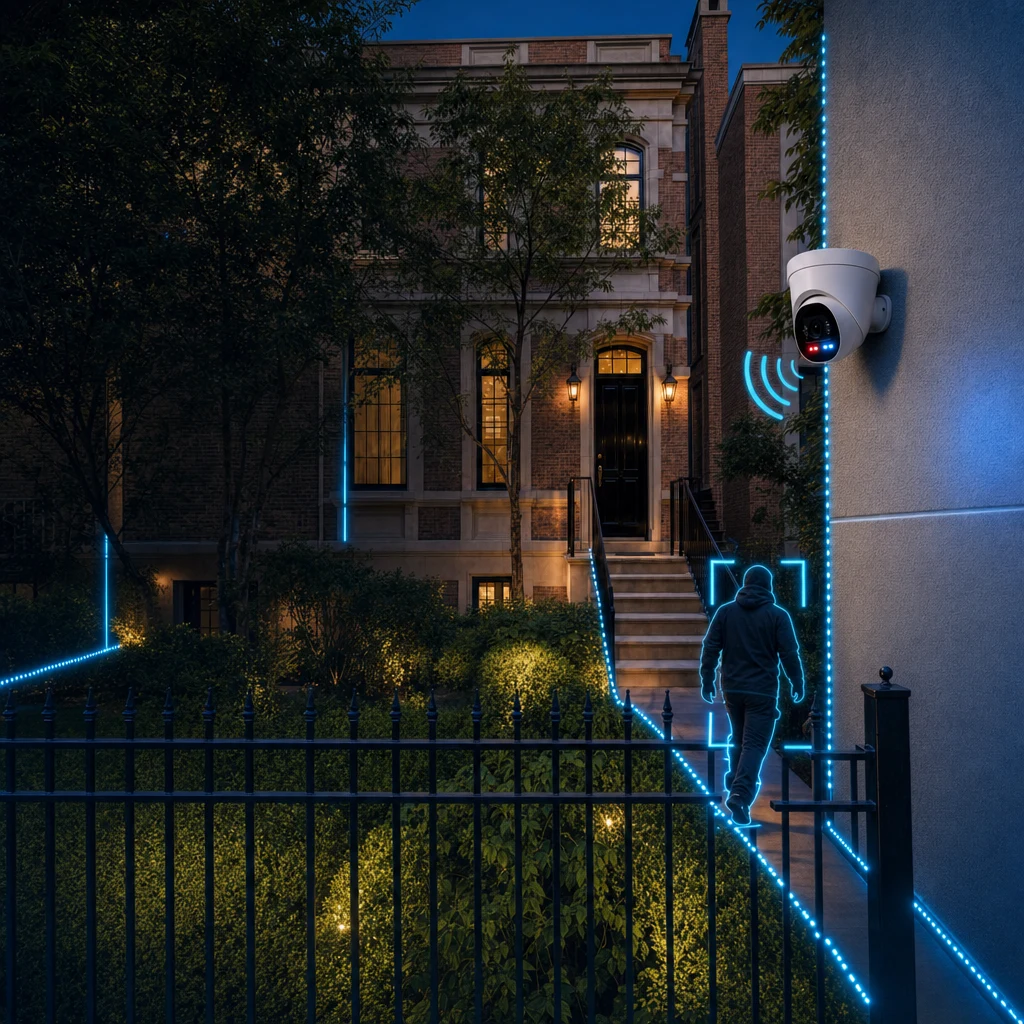
Specialists see camera footage when an event is sent to them; monitoring is not continuous personal observation of your home. If someone remains on site, a specialist may describe visible details through on-site audio and direct them to leave. They must not say police have been dispatched unless that is true. Dispatch and successful deterrence are not guaranteed.
What good review looks like
Good review is based on what the camera actually shows. Specialists do not know that a landscaper normally arrives on Tuesday or recognize someone as a family friend. They assess visible conduct under a cautious, largely standard process. Someone delivering a package and leaving is not automatically an emergency simply because they crossed a detection line.
Compare monitoring options
Self-monitoring puts you in charge of reviewing alerts and deciding what to do. Conventional monitored alarms usually respond to door, window or interior sensors. Windsor combines perimeter detection with trained review. Compare these options based on your availability, travel and property layout.
The monitoring comparison guide explains the homeowner's responsibilities under each approach.
Keeping the plan current
Keep homeowner and emergency-contact details current, along with relevant notification settings. Discuss changes to access needs with Windsor's support team. Do not assume that a visitor has been recognized or excluded from event review simply because they regularly visit the property.
Starting simply
Windsor records relevant homeowner, emergency-contact and notification details. Keep these current as your needs change. Monitoring uses a cautious, largely standard escalation process; operators do not learn to recognize your visitors or make personalized judgments based on familiarity.
Questions to ask about monitoring
Confirm what event review includes, how relevant contact and notification details are maintained and what actions the service may take. Specialists assess visible footage rather than personal knowledge of the home. Request the service process and applicable terms in writing.
- Who reviews events and how are they trained?
- What can they do from a remote location?
- How is the response plan changed?
- What does the service not include?
Where monitoring sits in the design
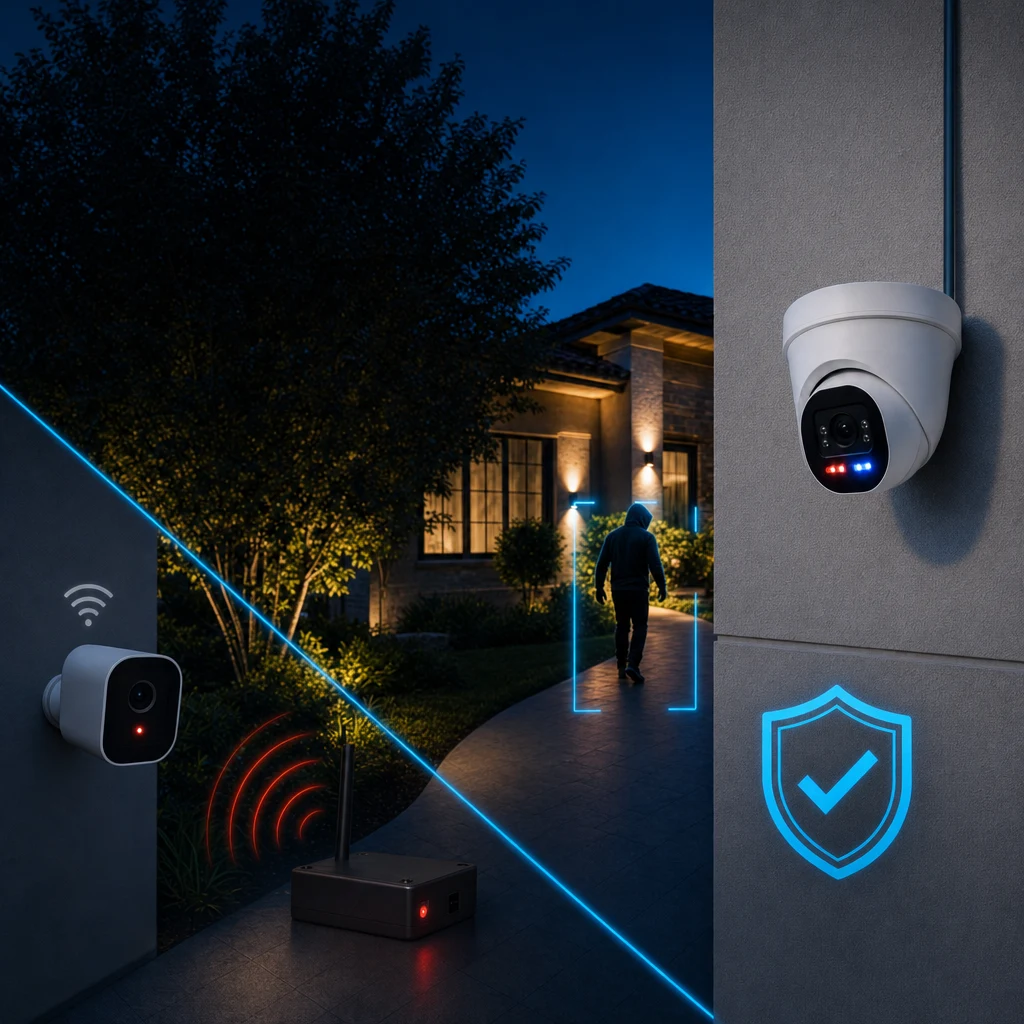
Monitoring depends on good detection, which keeps events meaningful, and on reliable infrastructure, which keeps the system online. Both are covered on their own pages. The review step is the point at which the technology meets judgment.
Who this is for
Households that travel, own second homes, keep irregular hours or simply do not want security to be one more thing to manage. If you want to receive and judge every alert yourself, a self-monitored system may be enough.
Frequently asked questions
What counts as an event?
A person crossing a configured detection line while the system is armed may create an event for review. An event is not a finding that a crime has occurred, and it does not automatically lead to a police dispatch or an emergency-contact call.
How do I control the system?
You arm and disarm the system through the app. The prevention sequence runs when the system is armed. Windsor designs the detection lines around the property and your needs.
Can I view my cameras myself?
Yes. Homeowners can view their cameras. Professional monitoring means that reviewing and responding to events does not have to fall on you.
Can a specialist speak to someone through the system?
When appropriate, a monitoring specialist may use on-site audio to describe visible details, state that the person is on private property and direct them to leave. They should say police have been dispatched only if that has actually happened.
What happens if a delivery person crosses a line?
While the system is armed, crossing a configured line may generate an event. If the footage shows someone deliver a package and leave, that does not automatically mean police or emergency contacts will be called. Specialists assess what is visible; they do not recognize the person or know whether the homeowner expected them.
Do monitoring specialists know who belongs at my home?
No. Specialists see camera footage when an event is sent for review. They do not know your household or recognize familiar visitors. They use what is visible and a cautious, largely standard escalation process, with relevant contact and notification details on file.
Is someone watching my cameras all the time?
Windsor describes trained professionals reviewing events surfaced by detection, not constant viewing of every feed.
Will I still be contacted?
You may be notified according to the event and service process, using the contact details on file. An event does not automatically require a homeowner or emergency-contact call.
Where can I compare monitoring with self-monitoring?
Our guide to live monitoring and self-monitoring sets out the differences in plain terms.
Start with your property.
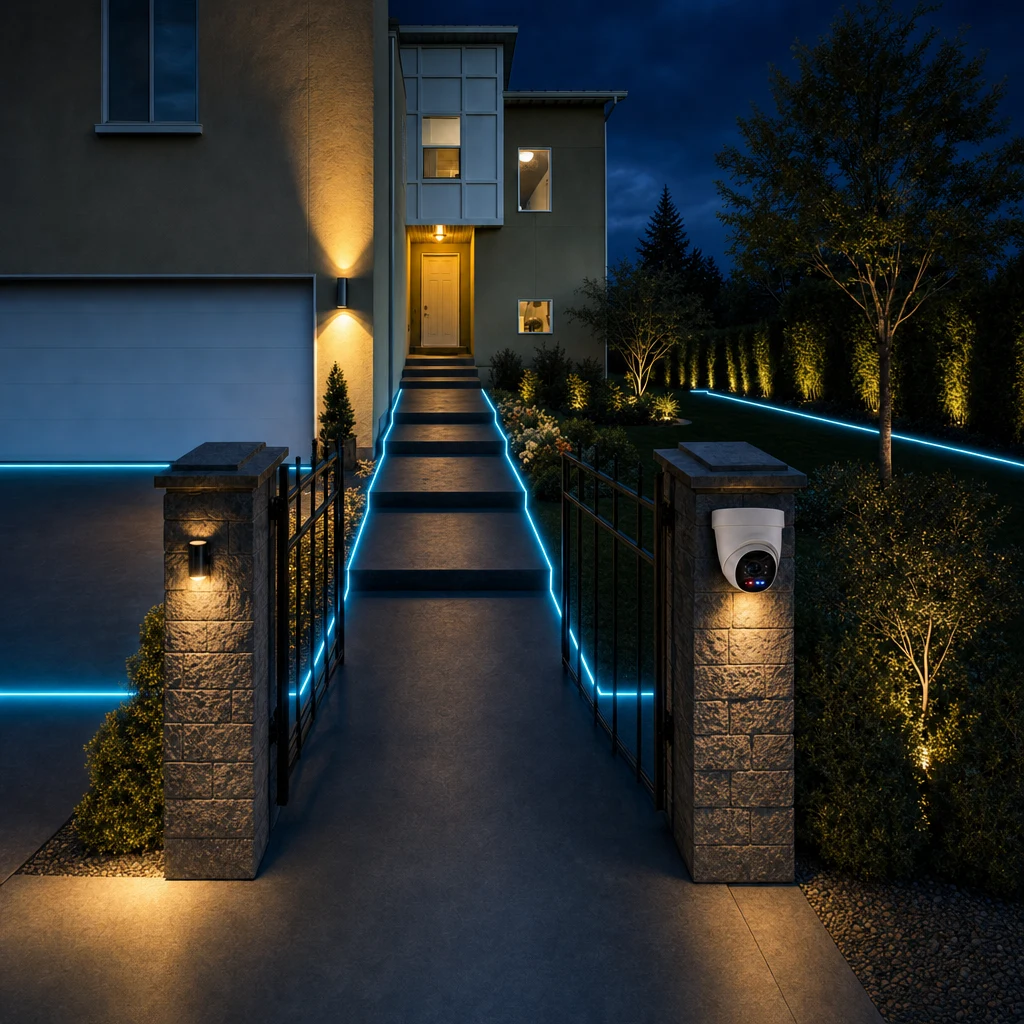
The consultation is free. It begins with your property, access points, routines and priorities.