
Home Security Consultation Checklist: Prepare for a Property-Specific Plan
The access points, routines and response preferences worth gathering before you speak with any security provider.
Introduction
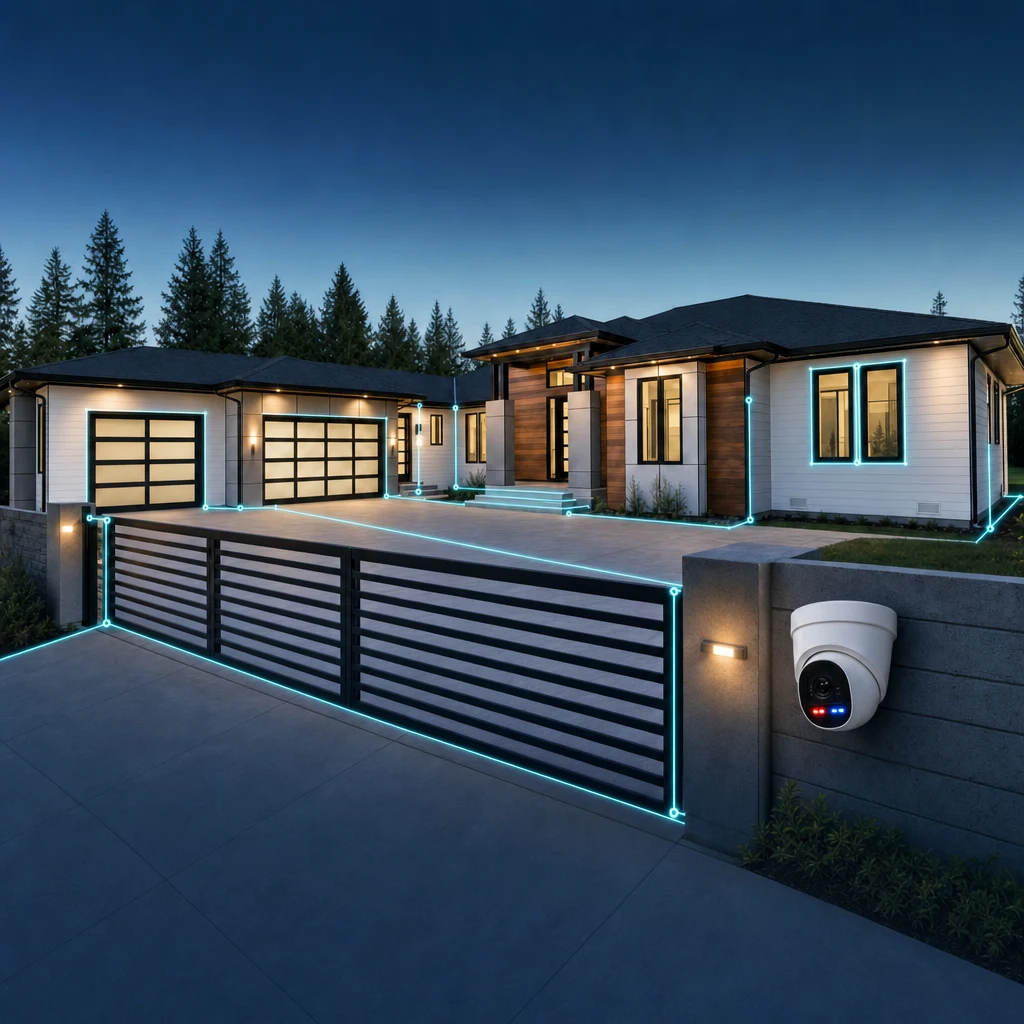
A home security consultation covers the property's entrances, existing equipment, household routines and priorities. These details help determine what protection is needed.
If you are considering a professionally designed residential system, it helps to arrive with a clear picture of the property, the household, and what you want the system to do.
You do not need technical expertise or a finished plan. Use this checklist to prepare the details you already know and the questions you want answered.
Start with the property itself
The first step in a meaningful consultation is understanding the physical layout of the home and the ways someone could approach it.
Ask yourself:
You do not need to solve these issues yourself. But being ready to discuss them helps Windsor understand how a preventive system might be designed around the property.
- Where are the main pedestrian approaches?
- Are there gates, side yards, courtyards, or rear paths?
- Is the driveway a likely route toward the home or garage?
- Are there detached structures or secondary buildings?
- Are there areas screened by landscaping or walls?
- Are there blind spots created by architecture or lot shape?
Identify the access points that matter most
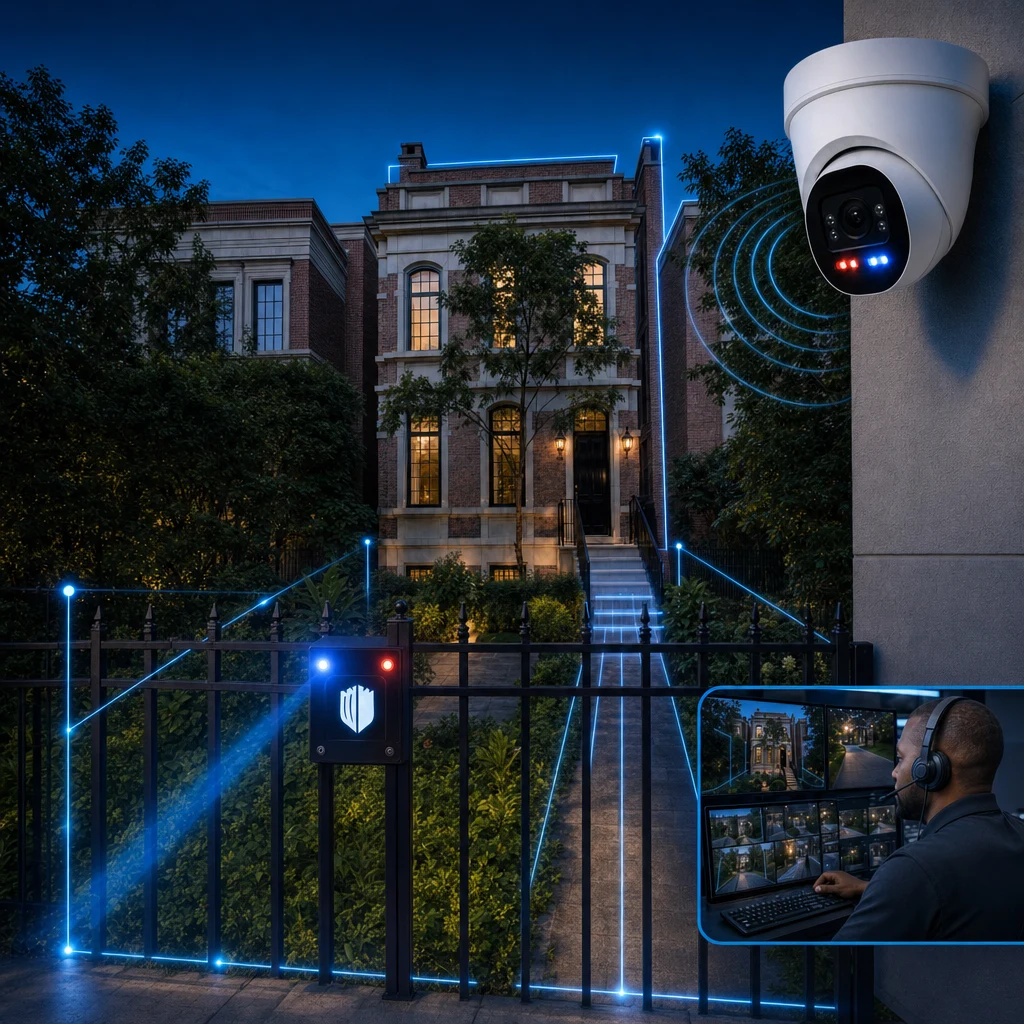
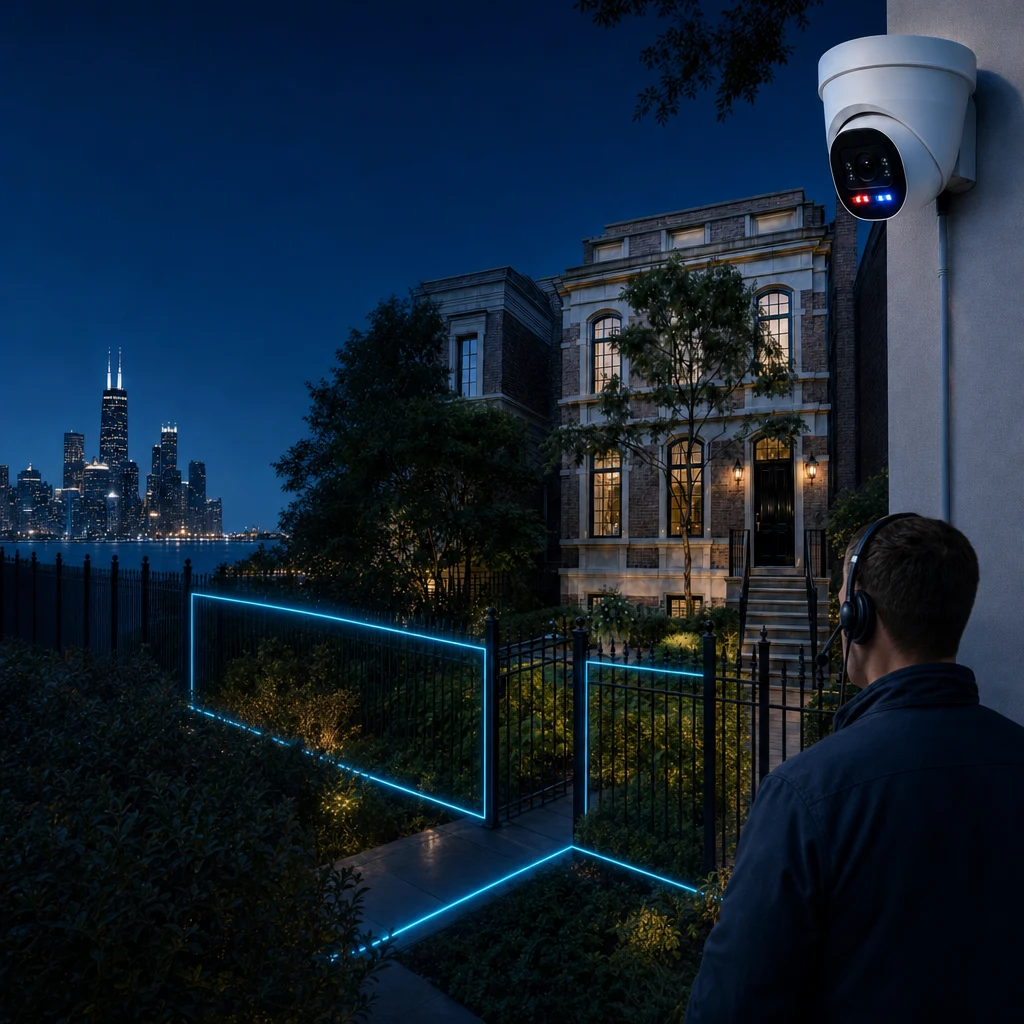
Every home has different priorities. Some properties are front-entry focused. Others are more vulnerable from side or rear access. Some homes have multiple transition points between a gate and the structure.
Make a simple list of access points such as:
This is especially useful when discussing AI perimeter security because the system depends on identifying the routes that should begin the response flow.
- Front gate or front walk
- Main entry
- Side passage
- Patio doors
- Garage entry
- Rear doors
- Basement-level access
- Detached garage or carriage house access
- Service entrances
Want this designed around your property?
Think about your routine, not just your floor plan
Security design should reflect how the property is actually used.
Consider:
These details matter because they shape how detection, notifications, and monitoring should be configured.
A system that ignores household reality often creates either too much friction or too little relevance.
- Are people regularly coming and going through side or rear entries?
- Do household members arrive home late?
- Is the home vacant during travel periods?
- Are there staff, contractors, or recurring service providers?
- Are deliveries frequent?
- Are there parts of the property used more heavily at certain times of day?
Clarify what concerns you most
Some homeowners begin the process with a general desire for “better security.” That is understandable, but a consultation is more useful when priorities are a little more specific.
Your main concerns might include:
You do not need to fit into a standard category. A strong consultation should make room for your actual concerns.
- Earlier detection before someone reaches the home
- Not wanting to self-monitor camera alerts
- Improving perimeter awareness
- Replacing piecemeal or aging equipment
- Covering multiple access points more intelligently
- Supporting a second home during travel
- Reducing dependence on wireless devices
- Creating a cleaner, more integrated installation
Decide how involved you want to be during an event
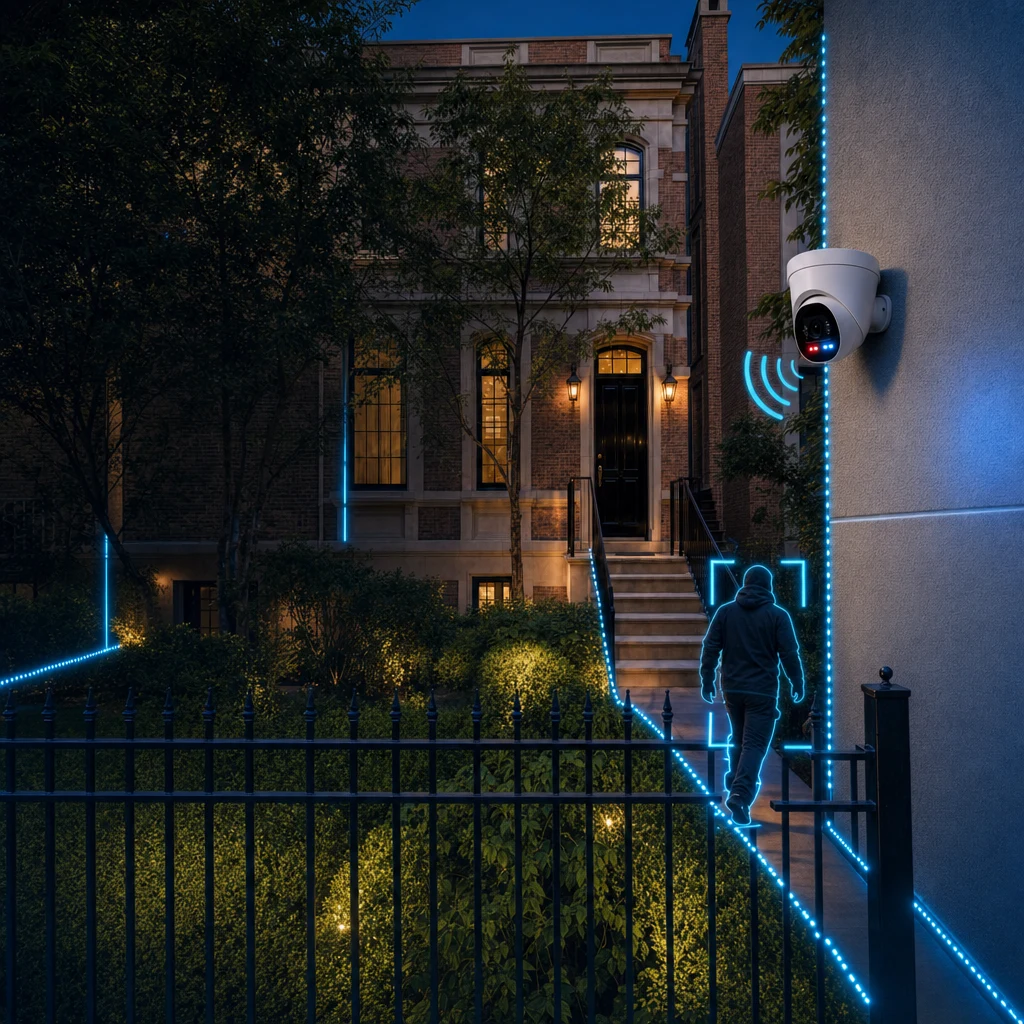
This is one of the most important consultation topics, and many homeowners do not consider it until they are asked.
Think about questions like:
This is where the difference between live monitoring and self-monitoring becomes very practical.
- Do you want relevant events reviewed by trained professionals?
- Do you want to be contacted immediately for certain events?
- Should other household members or emergency contacts be part of the response plan?
- Would you prefer the system to support deterrence before the homeowner is contacted?
- Are there different preferences for day, night, travel, or unoccupied periods?
Review any current system honestly
If you already have cameras or an alarm, it helps to evaluate them clearly before the consultation.
Consider:
A consultation is not just about starting from scratch. It can also be about understanding the gap between what you have and what you actually want.
For some homeowners, this starts with learning the difference between traditional alarms and preventive security.
- What do you like about the current setup?
- What frustrates you?
- Are there missed areas or blind spots?
- Do you receive too many irrelevant alerts?
- Are devices battery-dependent?
- Does the system mainly record, or does it help create an earlier response?
- Are there components you want reviewed for possible integration or replacement?
Gather practical property information
You do not need architectural plans to have a productive conversation, but a few practical details can help.
Helpful items may include:
If you do not have all of this ready, that is fine. The point is to make the consultation more grounded in the actual property.
- Property photos
- A rough site layout or listing photos
- Notes on gates, fencing, and detached structures
- Current camera or alarm locations
- Known low-light areas
- Internet or utility closet location, if relevant
- Any renovation or construction timing that could affect installation
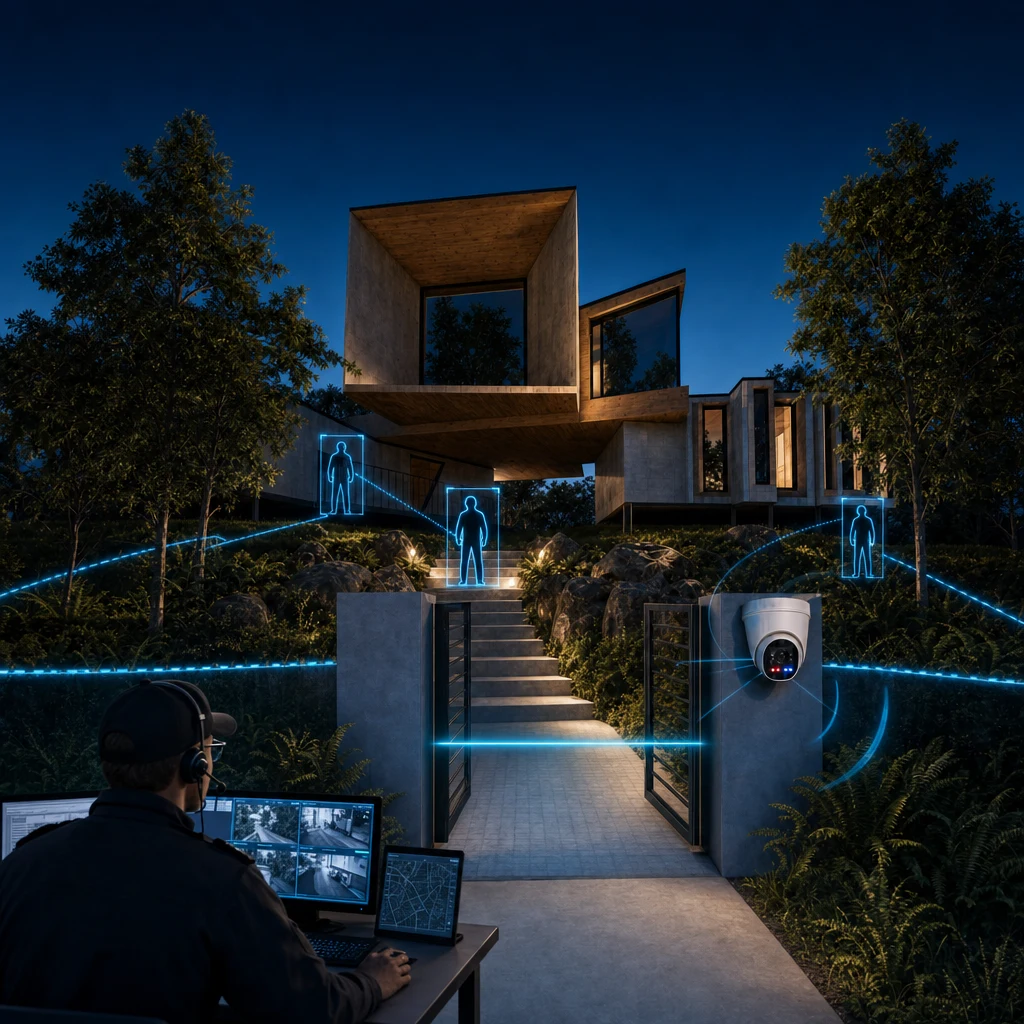
Consider design preferences too
For Windsor clients, security is not only about function. The installation should also respect the home.
You may want to discuss:
A premium residential system should be built around both protection and the character of the property.
- Preference for clean, discreet camera placement
- Sensitivity to visible equipment on architectural facades
- Whether exterior lighting should play a deterrence role
- Areas where aesthetics matter as much as coverage
- Whether the home is primary, seasonal, or part-time occupied
Understand the infrastructure conversation
At some point, the consultation may shift from visible devices to underlying system design. That is a good sign.
Expect to discuss questions like:
If you are new to this topic, reading Hardwired vs. Wireless Home Security beforehand can help you ask better questions.
- Should critical infrastructure be professionally hardwired?
- Where would cameras be most useful for earlier detection?
- How should perimeter zones be configured?
- What role should audio or lighting deterrence play?
- What level of monitoring support is appropriate?
What this means for your home
A consultation should not feel like being pushed toward a package. It should feel like a careful review of how the property works, what the household needs, and what kind of response the homeowner wants.
If the conversation is productive, you should leave with greater clarity on:
The goal is not to turn you into a security technician. The goal is to help Windsor design a better strategy for your home.
- The difference between reactive and preventive security
- Which access points matter most
- Whether live monitoring makes sense for your household
- Why infrastructure choices matter
- What a property-specific solution may involve next
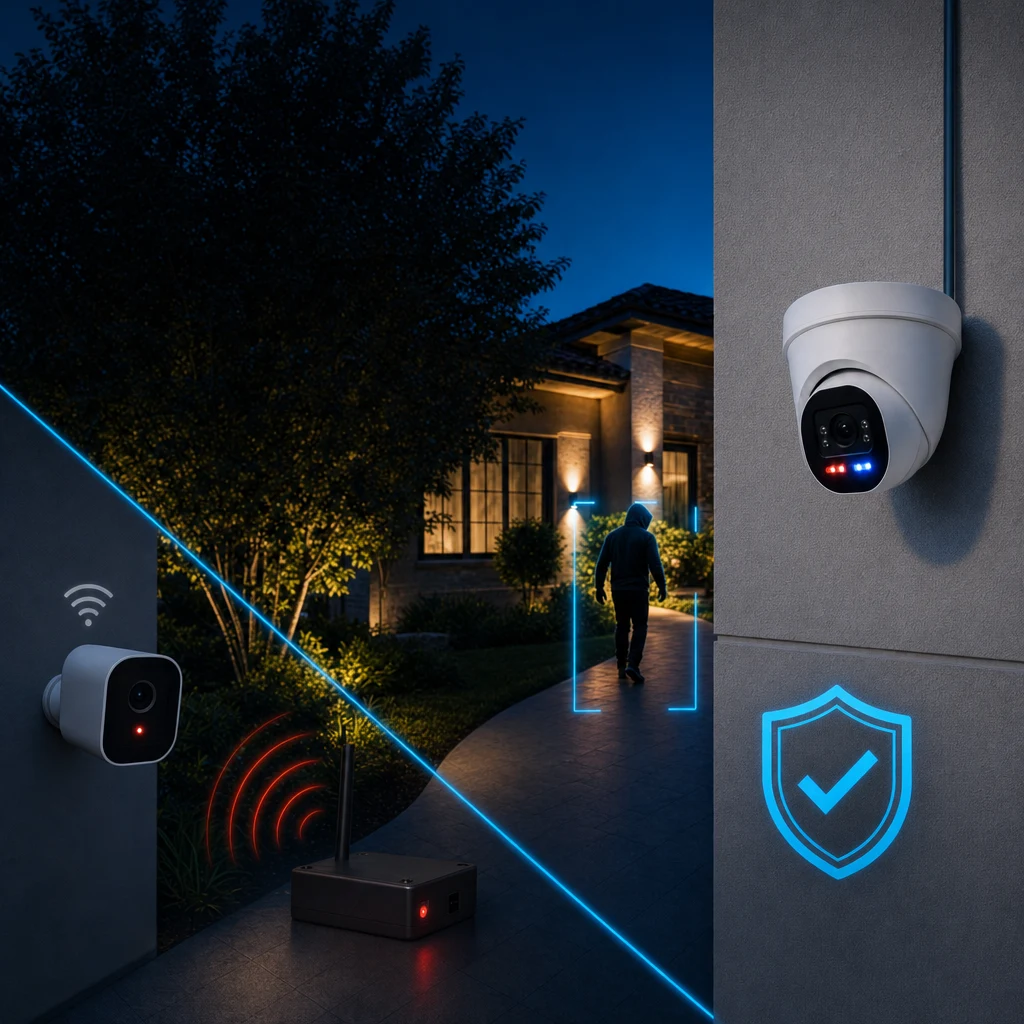
A simple pre-consultation checklist
Use this list before your conversation:
Property layout.
Current system review.
Household routine.
Response preferences.
Practical materials.
- Main approaches identified
- Side and rear access noted
- Gates, driveways, patios, and detached structures considered
- Existing cameras or alarms listed
- Main frustrations identified
- Gaps or blind spots noted
- Travel habits considered
- Deliveries, staff, and regular visitors noted
- Occupancy patterns understood
- Monitoring vs. self-monitoring considered
- Household contacts identified
- Preferences for deterrence and escalation discussed internally
- Photos or listing images gathered if available
- Questions prepared for the consultation
- Timeline and priorities clarified
The next step
Bring your property details and questions to a free consultation with Windsor.
Windsor Defense uses the consultation process to understand the property, identify the approaches and risks that matter, and recommend a professionally designed preventive system when appropriate.
Start with your property.
The consultation is free. It begins with your property, access points, routines and priorities.