
Hardwired vs. Wireless Home Security: Compare Reliability and Installation
A practical comparison of reliability, maintenance and signal considerations for homeowners weighing installation methods.
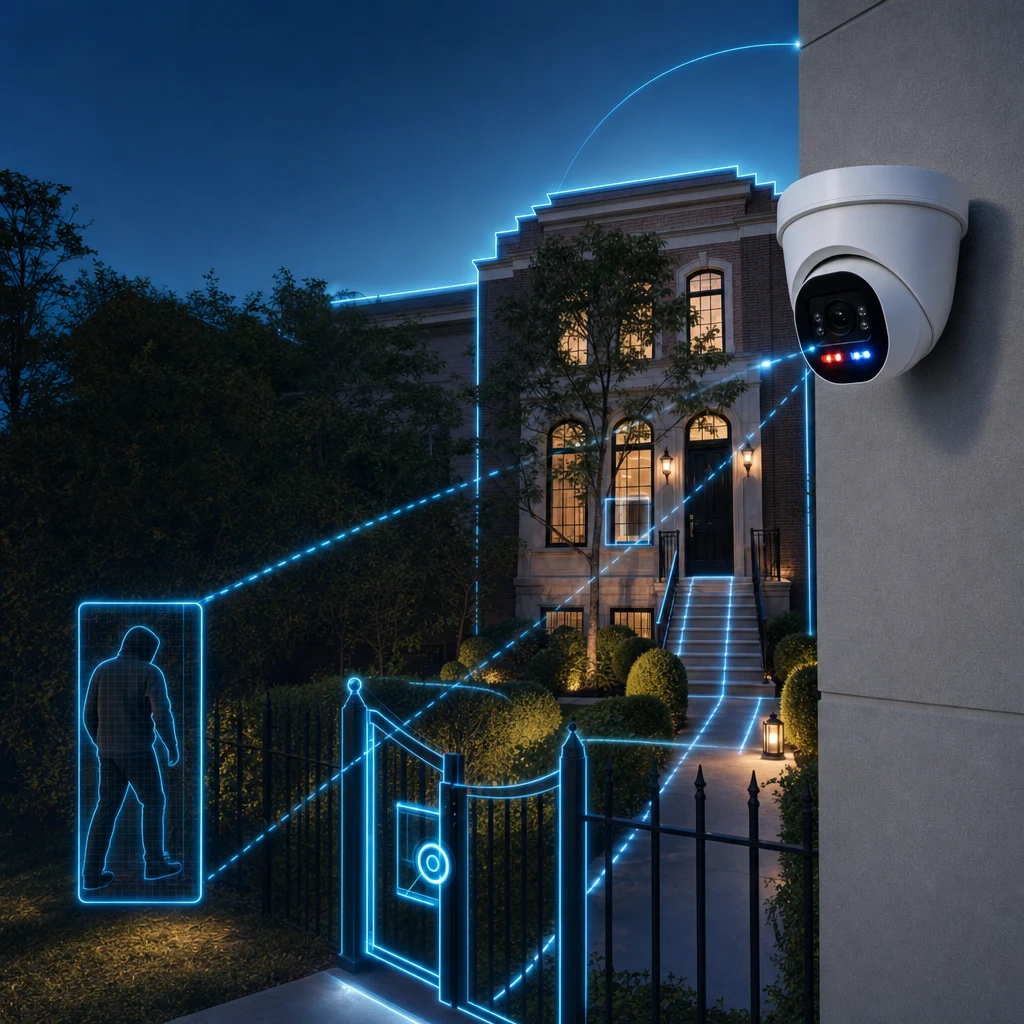
Introduction
When homeowners compare security systems, they often focus first on visible features: cameras, app controls, alerts, and alarms.
But one of the most important differences is less obvious. It is the infrastructure underneath the system.
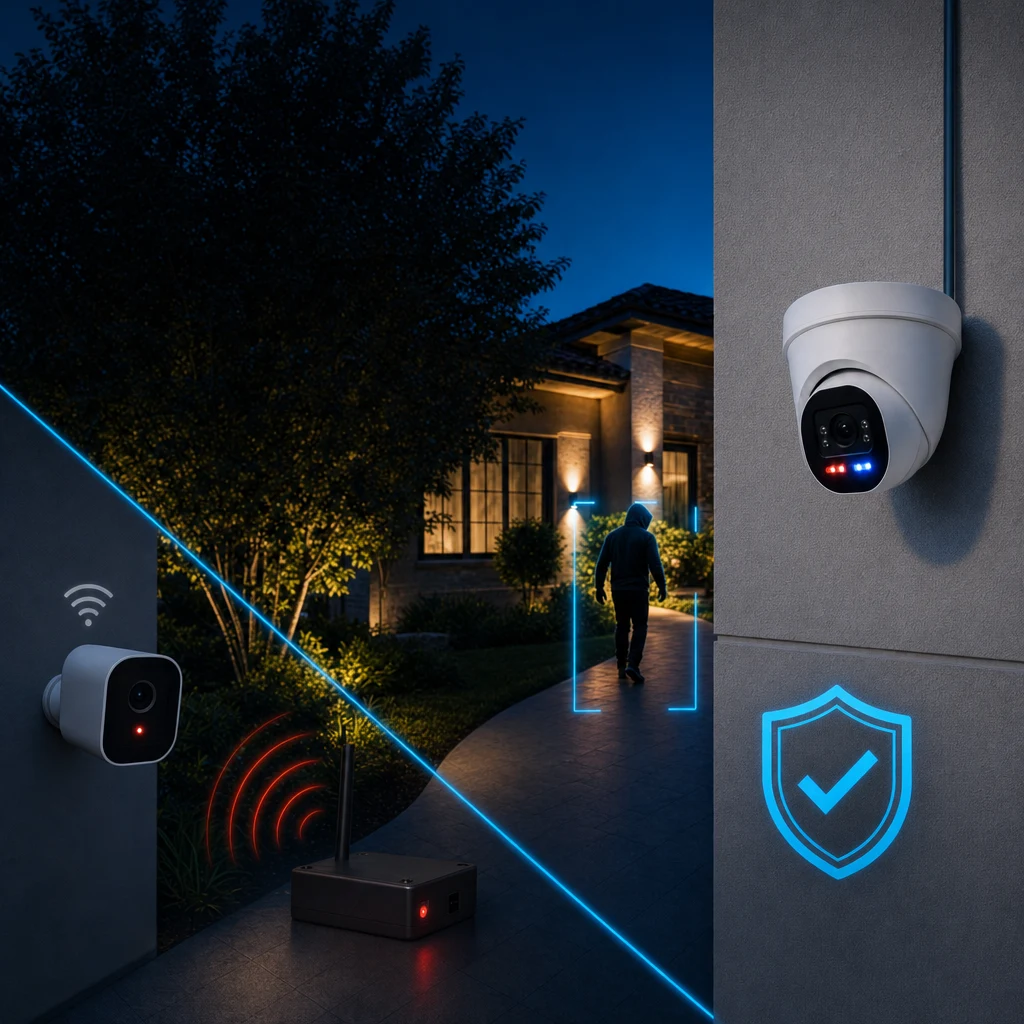
A wired home security system uses physical cabling for critical connections. A wireless system depends more heavily on radio signals and battery-powered devices. Both approaches can serve a purpose, but they are not interchangeable.
For Windsor Defense, this distinction matters because preventive residential security depends on dependable detection and communication. If the goal is to detect, deter, and escalate before entry, the infrastructure supporting those actions deserves careful attention.
The short version is this: wireless security can be convenient, but a wireless signal can also become a point of failure. A professionally designed hardwired home security system is often better suited to a premium, property-specific residential installation.
The basic difference
A hardwired system connects critical components through physical wiring. That may include cameras, network infrastructure, power delivery, and other core devices.
A wireless system uses radio communication between at least some devices. Depending on the product, those devices may also rely on batteries for power.
This difference affects more than installation style. It influences reliability, maintenance, system design flexibility, and long-term performance.
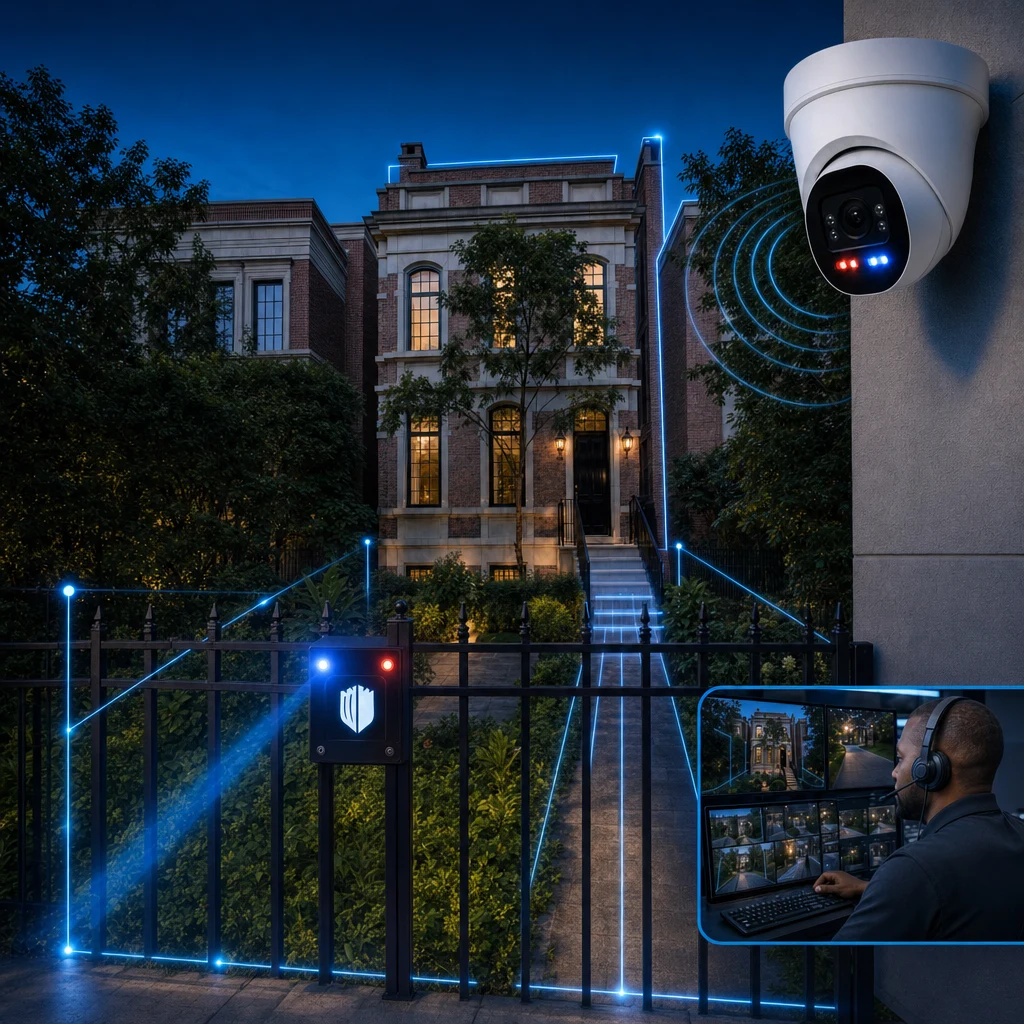
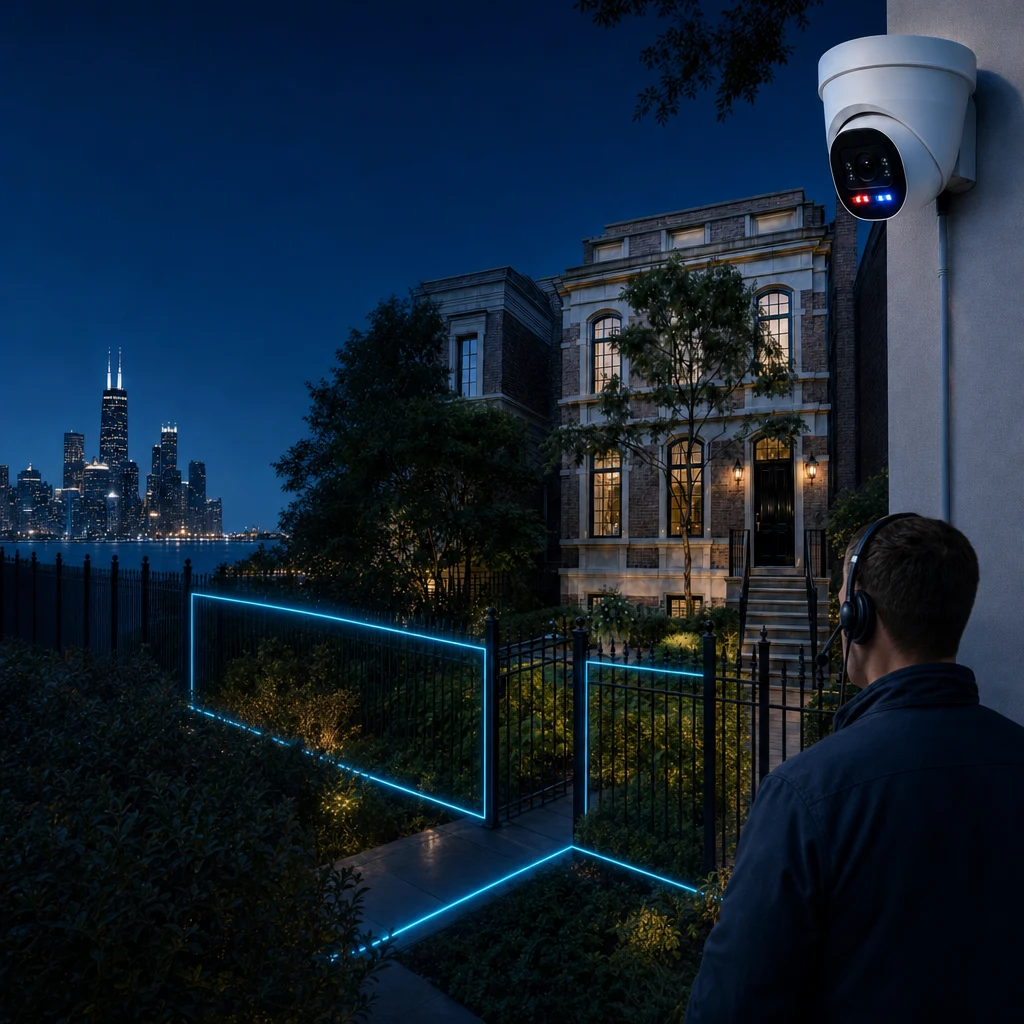
Why homeowners choose wireless systems
Wireless security is popular for understandable reasons.
Faster setup.
Many wireless products are designed for quick installation. That can be appealing if a homeowner wants immediate coverage without major work.
Consumer convenience.
Wireless systems are often sold as packaged solutions with mobile app control and simple device pairing.
Easier short-term changes.
It can be easier to relocate or add certain wireless devices, especially in temporary living situations or low-complexity layouts.
For some homes, those benefits may be enough. But convenience should not be confused with equivalence.
Want this designed around your property?
Why hardwired systems remain the stronger choice for many homes
A hardwired security camera or professionally designed wired system can offer important advantages, especially when the property has multiple approaches or the homeowner wants a more managed, dependable setup.
More stable core connectivity.
Physical connections remove some of the variability that can affect wireless communication. Walls, distance, interference, device congestion, and changes in the home environment can all affect signal performance.
A wired connection reduces dependence on those factors.
Centralized power.
Many hardwired security cameras receive power through the wired infrastructure, reducing dependence on individual battery maintenance. That can simplify long-term operation and help avoid the quiet failure that happens when a battery-powered device is depleted or ignored.
Better fit for larger or more complex properties.
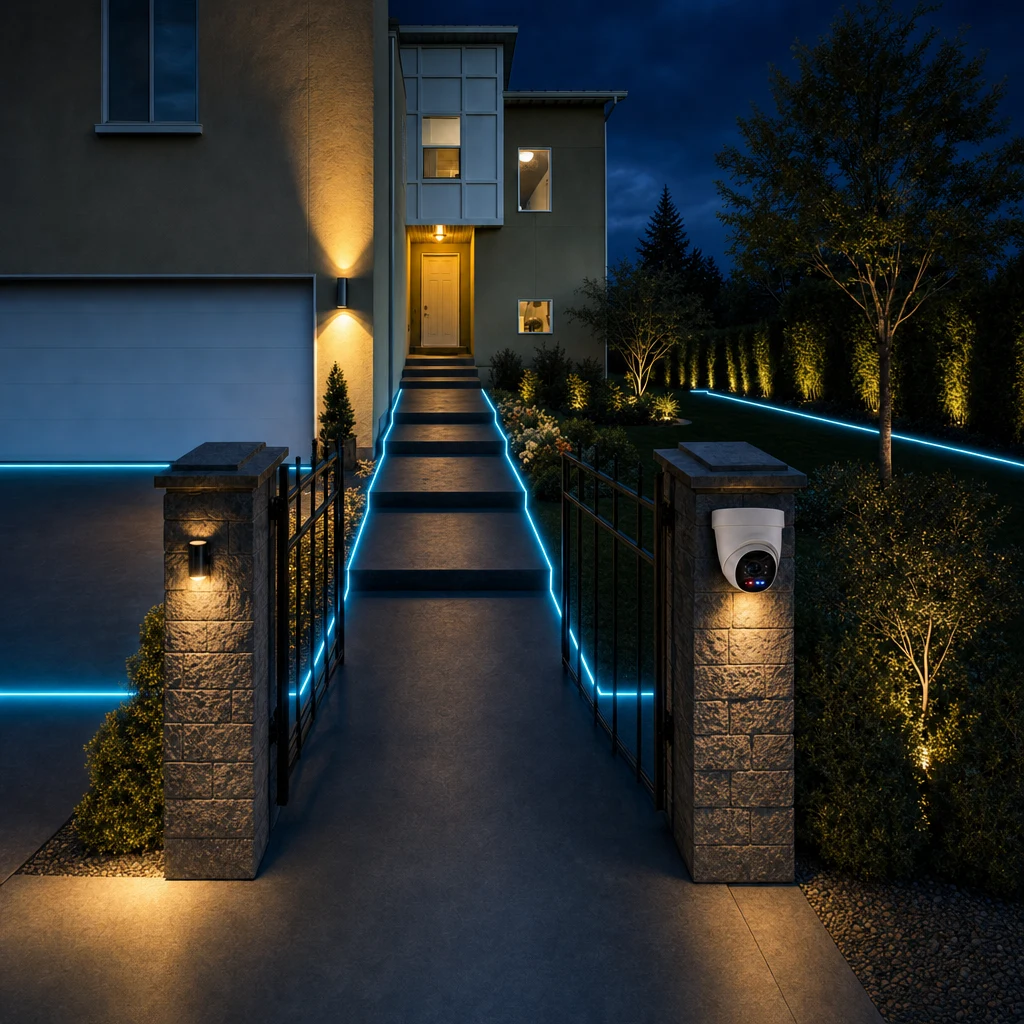
As properties become more complex, signal quality and device placement become more consequential. Side yards, gates, detached structures, long driveways, and layered exterior approaches often benefit from a more deliberate infrastructure plan.
Cleaner professional integration.
A true hardwired home security system can be planned as part of the property rather than added in pieces over time. That supports cleaner installation, coordinated coverage, and a more cohesive security strategy.
Reliability is not just about whether a camera turns on
Homeowners often hear the word “reliable” used loosely. In practice, reliability means more than whether a device appears online in an app.
A residential security system is only as useful as its ability to:
If a system is designed to begin responding at the perimeter, weak infrastructure can undermine the entire point of early detection.
This is one reason Windsor emphasizes Hardwired Home Security Systems as a core service pillar.
- Detect the right event
- Transmit that event consistently
- Support deterrence actions when configured
- Connect the event to monitoring and response without avoidable failure points
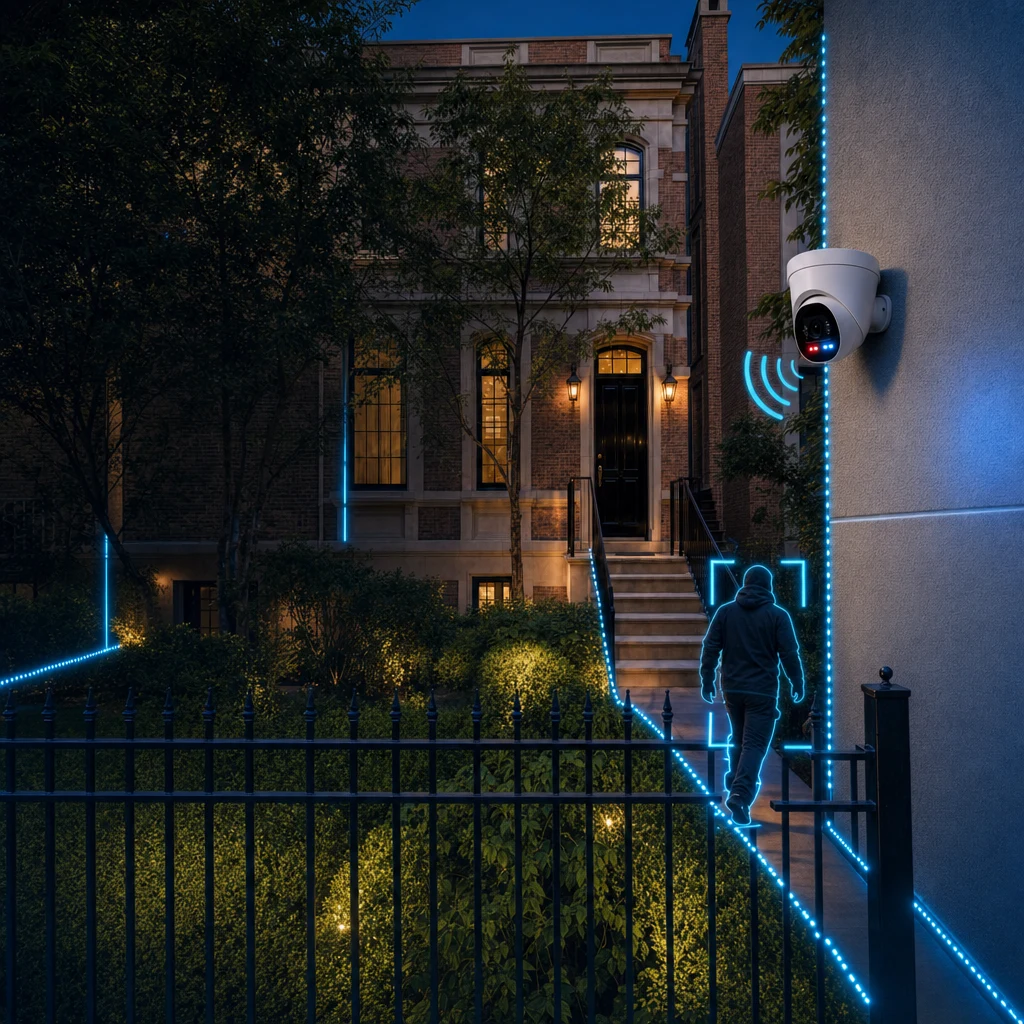
The wireless point of failure
Wireless devices can work well in many consumer applications. But it is important to evaluate them honestly in a security context.
Signal quality can be affected by:
Wireless communication can also be disrupted by interference, including deliberate interference. Susceptibility depends on the system and its communication paths. Ask how a proposed design handles communication failures rather than assuming that either wireless or wired infrastructure is immune to interruption.
That does not mean every wireless system always fails. It means the communication path deserves scrutiny when the stakes are high.
Compare how each proposed system handles interference and communication failures.
- Building materials
- Property size
- Network congestion
- Distance from access points or hubs
- Environmental interference
- Device battery condition
Maintenance differences
The day a system is installed is only one part of the ownership experience. Ongoing maintenance matters too.
Wireless maintenance considerations.
Wireless systems may require more routine attention to:
Hardwired maintenance considerations.
A wired system is not maintenance-free, but it generally moves the focus away from battery dependence and unstable wireless links. In a professionally managed environment, that can support a more consistent ownership experience.
For homeowners who travel often or simply do not want to become their own system administrator, that difference matters.
- Battery replacement or charging
- Re-pairing devices
- Signal troubleshooting
- Firmware updates across many consumer devices
- App-dependent oversight
What this means for your home
If your main priority is convenience and simple app-based visibility, a wireless package may feel sufficient at first.
If your priority is a preventive security strategy designed around the actual property, a wired home security system is often the stronger foundation.
In practical terms, hardwired infrastructure may be the better fit if:
- The home has multiple outdoor approaches
- The property is large or architecturally complex
- You want earlier detection at key access points
- You prefer professional design over piecemeal add-ons
- You do not want to rely on batteries and consumer-grade signal paths for critical functions
- You want security monitored by trained professionals rather than self-monitoring alone
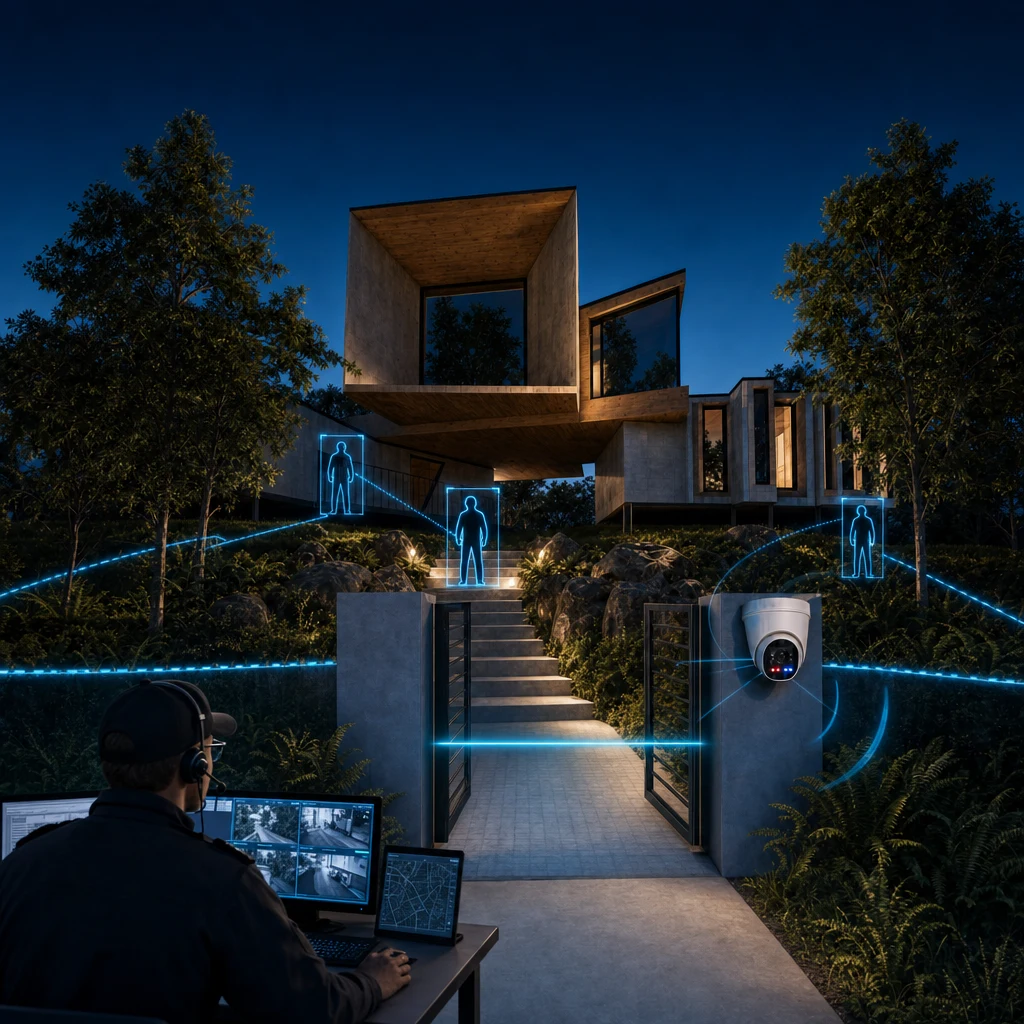
Hardwired vs. wireless is not only about cameras
Compare the cameras along with their power supply, network connections and connection to monitoring.
A camera can have good image quality and still sit inside a weaker overall security design.
What matters is how the components work together:
Windsor’s position is that critical residential security infrastructure should be professionally hardwired wherever appropriate, especially when the system is intended to support managed perimeter response.
- Detection
- Communication
- Power
- Monitoring
- Deterrence
- Escalation
Comparing the two approaches
Wireless home security.
Best known for convenience, simpler installation, and consumer accessibility. Often suitable when needs are modest and the homeowner is comfortable with app-based oversight and the tradeoffs of wireless communication.
Hardwired home security.
Better suited to long-term, property-specific design where stability, integration, and managed response matter more than quick setup.
This is also why infrastructure decisions connect directly to other Windsor topics such as AI Perimeter Security Explained and Live Monitoring vs. Self-Monitoring.
The Windsor approach to infrastructure
Windsor Defense professionally hardwires critical security infrastructure because the company’s model is built around prevention, not simple recording.
That means the system is designed to support:
That kind of security strategy benefits from infrastructure chosen for dependability rather than convenience alone.
- AI-assisted person detection at the perimeter
- Active deterrence when configured
- Live review by trained professionals
- A consistent monitoring process with relevant contact and notification details
Start with your property.
The consultation is free. It begins with your property, access points, routines and priorities.